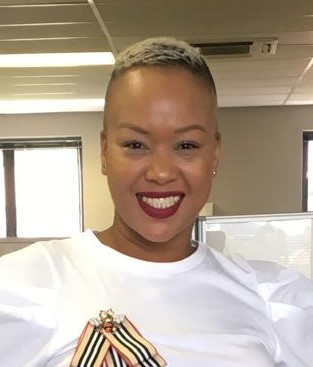
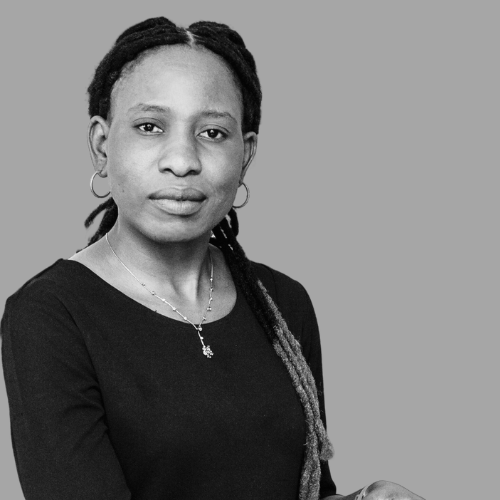
As a Private Wealth Manager and having 9 years of financial services industry experience, I’ve seen the importance of laying the foundation for financial success early on.
Your 30s are a critical time for building wealth, as it’s when many people start to see their careers take off and have the potential to make significant financial progress. But building wealth isn’t just about making money; it’s also about managing it wisely. With that in mind, here are five principles to help you build wealth in your 30s, which I have practiced.
- Financial Literacy: The first step to building wealth is understanding your This means taking the time to learn about budgeting, investing, and managing debt. It’s also important to educate yourself about different types of investments, such as stocks, bonds, and real estate. By increasing your financial literacy, you’ll be better equipped to make informed decisions about your money. However, it is always advisable to speak to professionals in the field who can help navigate you through the decision making process.
- Not Spending Money on Fads: One of the biggest mistakes people make in their 30s is spending money on things they don’t Whether it’s the latest gadgets, a new expensive car, or an expensive vacation, these purchases can quickly drain your finances. Instead, focus on spending money on things that truly matter, and that will benefit you in the long run. This doesn’t mean to say don’t go on that holiday, but manage a trip that you can afford, and don’t get too ahead of yourself – as it will come back to bite you!
- Savings: Building wealth starts with the simple discipline of saving Setting aside at least 10% of your income is a practical place to begin, ideally directing those funds into a high- interest savings account or a retirement investment structure. Over time, this habit creates both stability and flexibility — giving you confidence that you’re prepared for the unexpected while steadily building toward your long-term goals. Just as importantly, consistent saving encourages intentional spending and reinforces healthy financial habits. The earlier this discipline is established, the more powerful its long-term impact becomes through the benefit of compounding.
- Speaking to an Expert: As you start to build your wealth, it’s important to seek out the advice of a financial This could be a Private Wealth Manager, an investment advisor, or a tax professional. They can help you create a personalized plan for your finances and provide guidance on how to achieve your financial goals. My duties as a Private Wealth Manager is to help clients with:
- Investment Planning and Goal Alignment:
Creating a long-term investment plan aligned to investment - Investment Structuring and Risk Management:
I create diversified portfolios tailored to a client’s risk appetite, time horizon, and tax considerations, while monitoring and adjusting investments to manage risk and respond to market changes. - Financial Guidance and Accountability:
I provide ongoing advice, insight, and discipline, help clients avoid emotional decision- making, and help them to stay focused on their long-term strategy, and make informed choices as their financial circumstances evolve.
- A discipline to learn: Lastly, it’s important to remember that building wealth is a marathon, not a It’s important to be patient and stay committed to your financial goals. This means being disciplined about your spending, staying focused on your long-term goals, and not giving in to short-term temptations.
Life Lessons
The first lesson I’ve learned is the importance of living below your means. It’s easy to get caught up in the culture of consumption and spend money on things you don’t really need. But, by living below your means, you’ll be able to save more money and build wealth more quickly.
The second lesson I’ve learned is the importance of staying focused on your goals. It’s easy to get distracted by the latest investment opportunities or to get caught up in the hype of the stock market. But, by staying focused on your long-term goals, you’ll be able to make better financial decisions and build wealth more effectively.
In conclusion, building wealth in your 30s is about making smart financial decisions and staying committed to your goals. By following these five principles, you’ll be well on your way to achieving financial success.
The earlier you put the right structure in place, the more powerful the outcome. That’s why the guidance of a Private Wealth Manager can make a lasting difference.